

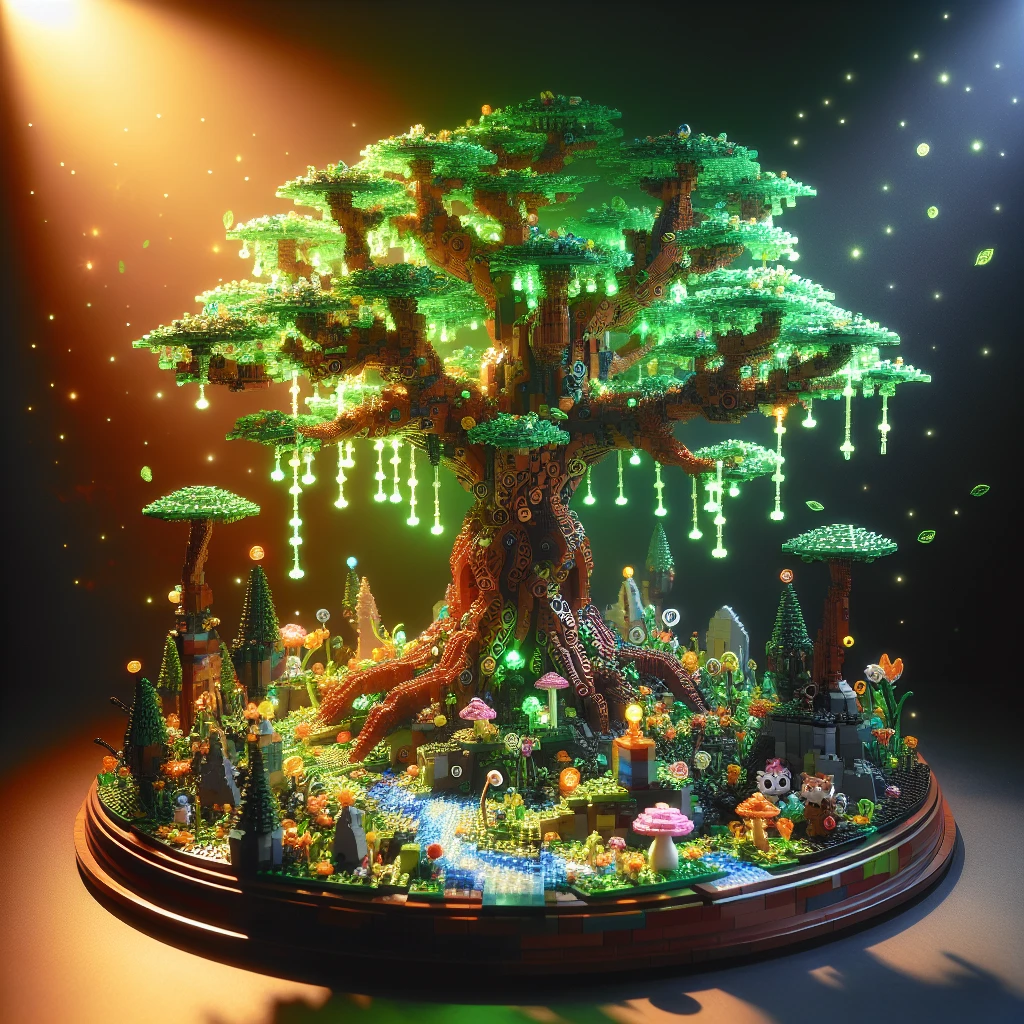
The Magic Behind the Zelda Lego Set
Have you ever wondered what happens when pure childhood nostalgia collides with master-level brick craftsmanship in a massive Zelda Lego set? Honestly, it feels like pure magic. You sit down, open the box, and suddenly you are staring at thousands of tiny plastic pieces that hold the potential to recreate one of the most iconic fantasy landscapes ever dreamed up. The tactile sensation of snapping those bricks together just hits differently. Right now, adult fans of gaming and brick building are obsessed with these intricate sets, and for a very good reason. They offer a physical escape from our screen-heavy lives.
Let me share a quick story. Just last winter, I was walking through the snowy streets of Kyiv, feeling exhausted from the hustle and looking for a way to unwind. I wandered into a cozy local hobby shop near Khreshchatyk, hoping to grab a simple puzzle. Instead, I saw a massive box depicting the Great Deku Tree sitting right on the front display shelf. Buying it was an absolute no-brainer. Carrying that heavy box through the snow felt like I had just discovered a hidden treasure chest. That exact feeling is what makes these builds so special. You aren’t just buying plastic; you are buying an experience, a physical connection to a universe you probably spent hundreds of hours exploring on a screen. Building this set is an entirely different way to experience Hyrule, one brick at a time.
Understanding the Core Appeal of Hyrule in Bricks
Why exactly does a pile of interlocking bricks generate so much hype? It comes down to the perfect marriage of challenging geometry and emotional resonance. The core concept here is taking a digital environment that feels limitless and translating it into a grounded, physical object you can proudly display on your desk. The sheer amount of engineering that goes into designing these models is mind-blowing. The designers have to figure out how to capture organic shapes—like sprawling tree roots or crumbling castle walls—using rigid, rectangular blocks.
When you sit down with a Zelda Lego set, you are basically taking a masterclass in spatial awareness and patience. You get the benefit of mindful relaxation combined with the thrill of watching a beloved character or location come to life right under your fingertips. Plus, these models make phenomenal display pieces. They tell a story on your shelf. Let’s look at a quick comparison of what you might expect from different fantasy brick builds.
| Feature Profile | The Great Deku Tree Build | Master Sword Display | Hyrule Castle Concept |
|---|---|---|---|
| Estimated Piece Count | 2,500+ | 1,050+ | 3,500+ |
| Average Build Time | 8 to 10 hours | 3 to 4 hours | 14+ hours |
| Structural Difficulty | Advanced | Intermediate | Expert Level |
There are a few massive benefits to committing to one of these massive builds:
- Pure Screen-Free Relaxation: Clicking pieces together forces your brain to focus entirely on a simple, physical task, effectively lowering stress.
- Premium Aesthetic Value: These aren’t just basic toys; they are highly detailed architectural models designed specifically to look fantastic in a modern office or living room.
- Community Connection: Sharing your build progress online connects you with thousands of fans who appreciate the exact same highly specific crossover of hobbies.
Honestly, the value you get out of the hours spent organizing, planning, and snapping these pieces together far outweighs the initial price tag. It is a genuine investment in your own downtime.
The Journey from Fan Ideas to Official Masterpieces
Early Rumors and Concept Submissions
The history behind getting a Zelda Lego set onto store shelves is actually a fascinating saga of patience and fan dedication. For years, the community was practically begging for this crossover. Builders would spend months designing incredible custom models—ranging from miniature versions of Link’s house to massive, room-sized recreations of Hyrule Field. They submitted these designs to fan-voting platforms, consistently racking up the required ten thousand votes almost overnight. Yet, for the longest time, licensing hurdles kept the dream from becoming a reality. The fan base never gave up, though, continuing to push the boundaries of what custom brick art could achieve.
The Breakthrough Nintendo Partnership
Things started shifting dramatically a few years back when the official partnership between the brick giant and Nintendo was finally announced. We initially saw this with the interactive Mario sets, which tested the waters. Once the companies realized that adult gamers were willing to shell out serious cash for high-quality, nostalgic merchandise, the floodgates opened. The collaboration evolved rapidly from basic play-sets meant for kids to incredibly detailed, display-ready adult models. It proved that gaming properties could be treated with the exact same architectural respect as a real-world skyline or a famous classic car.
The Modern Landscape of 2026 Brick Building
Now that it is 2026, the landscape of gaming collectibles has completely changed. We aren’t just getting basic mini-figures; we are getting sets with thousands of pieces, hidden easter eggs built into the foundations, and intricate mechanical features. The current generation of sets represents the absolute pinnacle of toy engineering. The sheer complexity of the modern Zelda Lego set shows exactly how much trust the designers place in the adult fan base. They know we have the patience to sort through twenty different shades of green just to make the foliage look perfectly natural. It is a brilliant era to be a fan of both hobbies.
The Hidden Science Behind the Bricks
The Engineering of ABS Plastic Mechanics
You might look at these bricks and just see toys, but there is some intense science happening here. Every single standard piece is manufactured using a highly specific polymer called Acrylonitrile Butadiene Styrene (ABS). This specific chemical makeup is chosen for a reason. It provides a unique combination of strength, gloss, and impact resistance. When you push two pieces together and feel that satisfying snap, you are experiencing something engineers call “clutch power.” The manufacturing tolerances for these molds are so incredibly tight—down to about two-thousandths of a millimeter—that a brick produced in the 1980s will still perfectly lock together with a brick manufactured yesterday.
Structural Integrity in Tall Fantasy Builds
When designers tackle something as organically chaotic as a giant, mystical tree, they face serious physics problems. How do you stop a heavy, branching structure from simply tipping over? The secret lies in a rigid internal skeleton. Usually, these sets utilize a specific type of inner framework built from highly reinforced technic beams. This transfers the heavy load from the wide upper canopy straight down into the base plate, mimicking actual architectural load-bearing techniques.
Here are some wild technical facts about what is actually happening on your desk:
- The clutch friction between just six standard 2×4 bricks can hold up to three pounds of sheer vertical weight without separating.
- ABS plastic handles temperature fluctuations exceptionally well, meaning your display model will not warp easily from standard room heating.
- The internal color-coding (using bright pinks or yellows inside the hidden core) isn’t random; it is scientifically proven to reduce builder eye fatigue by providing high-contrast visual anchors during a long session.
Understanding the physics just makes you appreciate the final product so much more.
The Ultimate 7-Day Hyrule Build Plan
Taking on a massive build can feel overwhelming if you just dump all the bags onto a table. You need a solid strategy. Here is exactly how I recommend breaking down a multi-thousand-piece Zelda Lego set over a single, highly enjoyable week.
Day 1: Workspace Prep and Foundation Layout
Clear off a massive table. Seriously, you need more space than you think. Use small plastic bowls to organize the pieces from the first few bags by color and size. Today is all about building the very bottom baseplates. This step feels slow, but ensuring absolute precision here prevents the whole structure from being misaligned later.
Day 2: Constructing the Internal Skeleton
Now you start laying down the brightly colored inner core. This won’t look like anything recognizable yet. It will mostly be a blocky tower of technical beams and interlocking plates. Do not rush this. Push every piece down firmly to ensure maximum clutch power. This skeleton is going to support a lot of weight.
Day 3: Building the Lower Terrain
This is where the magic starts. You will begin adding the earthy browns, mossy greens, and gray rock textures to the base. You’ll likely build out small mechanical features here, like a hidden sliding door or a rotating gear mechanism that controls an element higher up. Test all moving parts multiple times before sealing them in.
Day 4: Erecting the Primary Architecture
Whether you are building the trunk of a massive tree or the walls of a castle, today is about verticality. You will see the scale of the model truly take shape. Pay close attention to the instructions, as organic curves are often achieved by stacking hundreds of tiny, seemingly random slope pieces in very specific patterns.
Day 5: The Tedious but Beautiful Foliage Phase
Grab a coffee, because today requires patience. Adding the canopy, leaves, or detailed roof tiles takes time. You will be dealing with hundreds of identical small pieces. Put on a good podcast or a gaming soundtrack. The repetition is actually incredibly meditative once you get into the rhythm.
Day 6: Minifigures and Easter Eggs
This is the reward day. You get to assemble the actual characters, their tiny weapons, and the micro-builds that scatter around the main set. Placing the iconic hero right at the front of the display instantly ties the whole visual narrative together. You will also snap on the final decorative tiles that hide any exposed studs.
Day 7: Final Display Setup and Lighting
The build is done, but the presentation matters. Move the model to its permanent home. If you want to get serious, this is the day you string a custom aftermarket LED lighting kit through the branches or windows to give it that cinematic, glowing fantasy vibe. Step back and admire your handiwork.
Separating Myths from Reality
People who don’t engage with this hobby have a lot of weird misconceptions about it. Let’s clear the air right now.
Myth: Buying massive brick sets is completely childish.
Reality: The target demographic for these large, complex models is strictly adults. They are designed as premium architectural display pieces, requiring advanced fine motor skills and serious patience to complete. They look right at home in a professional office.
Myth: Once you build it, it is just a fragile dust magnet.
Reality: Thanks to the incredibly engineered internal skeletons, these modern builds are incredibly sturdy. You can easily pick them up and move them without pieces shattering everywhere. A quick blast of canned air once a month handles any dust perfectly.
Myth: You have to be a hardcore, encyclopedic fan of the game to enjoy the set.
Reality: Not at all. While fans love the hidden references, plenty of hobbyists buy these fantasy sets simply because the organic, colorful designs offer a refreshing, challenging break from building standard gray city skylines.
Frequently Asked Questions
How long does the average person take to finish this build?
For a set exceeding 2,500 pieces, you are looking at roughly 8 to 12 hours of active building. Breaking it into smaller daily sessions is highly recommended to avoid finger fatigue and keep the process enjoyable.
What happens if my box is missing a piece?
It is incredibly rare due to weight-based factory quality control, but if it happens, the manufacturer’s customer service portal allows you to request the specific missing brick online, and they mail it to you completely free of charge.
Should I use glue to make the display permanent?
Absolutely not. Gluing the bricks ruins the ABS plastic and eliminates the possibility of ever taking it apart to rebuild or clean thoroughly. The natural friction of the bricks is more than enough to keep the model secure.
Is this specific set suitable for a beginner?
While the size is intimidating, the instruction manuals are notoriously brilliant. As long as you have the patience to carefully follow visual steps one by one, a complete beginner can absolutely tackle a master-level set successfully.
Can I combine these pieces with my older sets?
Yes. The beauty of the system is universal compatibility. Every single piece in a brand new fantasy set will connect flawlessly with bricks you have owned since you were a kid.
What is the safest way to clean a finished model?
A soft, clean makeup brush works wonders for sweeping dust off the studs. For deeper cleaning, canned air or a specialized mini-vacuum attachment keeps the intricate details looking fresh.
Where should I display the finished model?
Keep it out of direct, prolonged sunlight to prevent the plastic colors from fading over the years. A sturdy bookshelf or a dedicated glass display cabinet with some subtle top-down lighting is the absolute best choice.
At the end of the day, picking up a Zelda Lego set is about giving yourself permission to disconnect and create something beautiful with your own hands. The process is relaxing, the engineering is brilliant, and the final result is a massive rush of nostalgia. If you have a clear table and a free weekend coming up, grab a box, dump out those bags, and start building your own piece of Hyrule right now. You won’t regret it.





Leave a Reply