

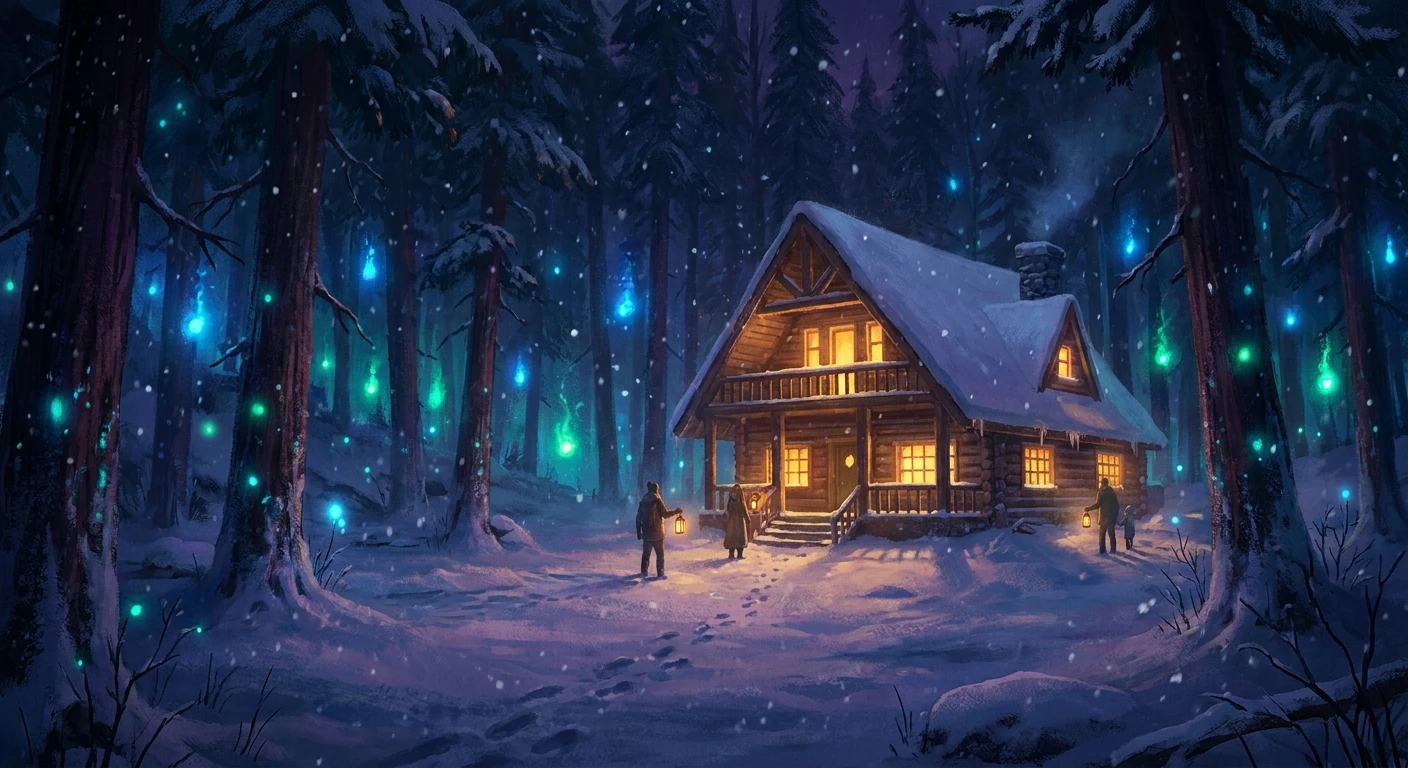
Experiencing the until dawn remake: A Fresh Take on Horror
Hey everyone, let’s talk about the until dawn remake because it has been dominating my group chats lately. I remember when the original game launched; I was living in Kyiv, and I fired it up during a massive winter blizzard. Right as a massive jump scare flashed on the screen, our neighborhood power grid flickered and died. I nearly dropped my controller and jumped out of my skin! Now that we are navigating through 2026, game technology has pushed far beyond what we thought was possible back then. This new release isn’t just a simple upscaling job. The developers completely rebuilt the terrifying atmosphere, swapped out the lighting engine, and adjusted the performance to give us a genuinely cinematic nightmare. My main thesis for you today is simple: upgrading to this version provides a radically better experience that fixes the clunky mechanics of the past while honoring the spooky campiness we all loved. If you are sitting on the fence about spending your hard-earned money on a story you already know, I get it. But honestly, the sheer level of polish here makes the mountain lodge feel colder, darker, and significantly more dangerous. Grab a warm drink, make sure your front door is securely locked, and let me break down exactly why you need to play this version tonight.
Why the Upgrade Justifies the Cost
Let me give you the absolute truth about the benefits and the minor drawbacks of returning to Blackwood Mountain. The value proposition here is massive if you care about visual storytelling. When you compare the old facial animations to the new motion capture data, the difference is night and day. You no longer get those weird, robotic eye movements that accidentally made dramatic scenes hilarious. The developers fixed the pacing, tweaked the camera angles, and added new collectibles that flesh out the tragic lore of the Washington family. On the flip side, the only real harm or drawback is the price tag. Paying full retail for a narrative you might have already beaten multiple times can sting. But think about the replayability. The branching paths feel smoother, and the quick-time events are far more responsive. Below, you can see a quick breakdown of how things changed.
| Game Feature | Original Release | Remastered Version |
|---|---|---|
| Framerate & Resolution | 30 FPS / 1080p | Uncapped 60+ FPS / 4K Dynamic |
| Camera Perspective | Fixed Angles Only | Hybrid Third-Person & Over-the-Shoulder |
| Controller Features | Basic Rumble | Full DualSense Haptic Feedback |
If you are still wondering what makes the core gameplay loop so much better, I have narrowed it down. Here are the top three reasons the mechanics actually feel like a modern release:
- Improved Movement: The characters no longer steer like heavy shopping carts. You can actually navigate the tight snowy corridors without getting stuck on a chair.
- Audio Overhaul: The 3D audio mix means you can hear exactly which floorboard is creaking behind you, making headphones an absolute necessity.
- Expanded Prologue: You actually get more context and screen time with characters before the main disaster strikes, making their subsequent panic far more impactful.
The Origins of Interactive Horror
You probably didn’t know this, but the origins of this franchise are super weird. Way back in the day, the concept started as a first-person PlayStation Move game for the PS3. You were supposed to hold the motion controller like a flashlight and literally point it at the screen to walk around. It was totally goofy. The script was rougher, and the tone was completely different. The studio eventually realized that locking a heavy narrative game behind a plastic peripheral was a bad business move.
Evolution of the Engine
They scrapped the motion-control flashlight idea, shifted to a traditional third-person perspective, and rebuilt it for the PS4 using the Decima engine. That engine was famous for making incredibly realistic environments. When it finally launched, it practically invented the modern ‘interactive movie’ genre. It birthed a whole wave of games where your choices actually mattered. Fast forward to the decision to remake it: the studio realized that engine technology had leaped forward so drastically that they could finally execute their original, uncompromised vision.
The Modern State of Narrative Games
Now, here we are in a completely different landscape. The modern standard for narrative games requires seamless loading screens, ultra-realistic character models, and immense player agency. The current iteration adapts to these modern demands. It stands shoulder to shoulder with the heaviest hitters in the gaming industry, proving that a strong script combined with top-tier technology can revive any classic.
Understanding Ray Tracing and Global Illumination
I want to talk tech for a second because the wizardry happening behind the screen is mind-blowing. The biggest leap here is Global Illumination. In the past, developers had to manually place invisible light bulbs in a digital room to make sure a character’s face was lit. It was a fake, baked-in trick. Now, light behaves like it does in the real world. A single beam of moonlight comes through the cabin window, hits a wooden table, and actually bounces off that wood, casting a warm brown hue onto the ceiling. It is entirely dynamic.
Facial Capture Technology Explained
Then we have the facial capture technology, specifically dealing with the ‘uncanny valley.’ The uncanny valley is that creepy feeling you get when a digital human looks almost real, but something is slightly off—usually the micro-expressions around the eyes and mouth. The engineers bypassed this by using rigs that track hundreds of individual muscle twitches on the real actors’ faces. This tech translates raw human emotion straight into the digital avatars.
- Micro-polygon geometry: The game uses a system that renders millions of tiny triangles in real-time, meaning rocks and trees no longer look flat or blocky when you walk up to them.
- Subsurface scattering: This is a rendering technique that mimics how light penetrates human skin. When a character holds a flare, the light actually bleeds through the cartilage of their ears.
- Spatial audio mapping: Sound waves in the game engine actually bounce off digital walls. A scream in a tight cave echoes completely differently than a scream in the open snowy forest.
Step 1: Mastering the QTEs
If you want to keep everyone alive, you need a solid plan. The quick-time events (QTEs) are less forgiving now. You must go into the settings menu before you even start the story and decide if you want to turn on the ‘accessibility QTE’ option. If you leave it on default, keep your thumb hovering over the face buttons at all times. Do not put the controller down during cutscenes.
Step 2: Exploring Every Corner
Speedrunning gets people killed. You need to walk into every single dark corner of the lodge and the mines. The clues you pick up actually unlock new dialogue options later. If a character doesn’t find a specific diary, they won’t know a crucial piece of lore, which means they might make a fatal mistake in chapter nine.
Step 3: Managing Relationships
The dialogue choices you make dictate the relationship meters. If you act like a jerk to someone in chapter one, they might literally lock a door on you in chapter eight. Always choose empathy when characters are arguing. De-escalating conflicts keeps the group cohesive.
Step 4: The Totem Strategy
Whenever you find a wooden totem, pay strict attention to the vision. Black totems show death, red show danger, and yellow show guidance. Memorize the environment shown in the premonition. If you see a specific barrel or cliffside in a death totem, do the exact opposite of what your instincts tell you when you reach that location in the game.
Step 5: When to Do Nothing
One of the brilliant mechanics is the ‘Don’t Move’ prompt. When you are hiding from the threat, the game demands you hold the controller perfectly still. Place the controller flat on your knee or the table the second you see the icon appear. Do not trust your shaky hands.
Step 6: Understanding the Butterfly Effect
Every tiny choice ripples forward. Shooting a bird in the opening hours can drastically alter the weather or a character’s weapon availability later. Always think two steps ahead. Ask yourself: does pulling this lever or taking this item actively help me, or is it just greed?
Step 7: The Final Stand Setup
The final chapter is a gauntlet. You will be in a room where you have to make split-second decisions about who runs and who hides. The golden rule here is to prioritize saving others over running for the switch immediately. Wait for everyone to clear the room before you initiate the final sequence.
Myth: It is just a lazy resolution bump.
Reality: Not even close. The studio transferred the entire project to a brand new graphics engine. They rebuilt textures from scratch, re-recorded voice lines, and changed camera angles to completely alter the pacing of the game. It is a fundamental rebuild, not a cheap upscale.
Myth: They completely changed the core story and ending.
Reality: The narrative beats remain identical to what you remember. You still have the same characters making the same dumb teenager horror movie mistakes. What they did was expand the quiet moments, adding extra scenes that give the characters much better motivations.
Myth: You need to play the original first to understand it.
Reality: Absolutely not. This version completely replaces the need for the older one. It contains all the necessary lore, introductions, and context you need. Jumping straight into this release is actually the best way for a newcomer to experience the mystery.
Myth: The new camera ruins the classic horror vibe.
Reality: While the fixed cameras had a nostalgic, old-school charm, the new over-the-shoulder camera actually makes the dark corridors feel more claustrophobic. You are right there in the panic with them.
FAQ & Conclusion
What platforms is the game available on?
Currently, you can grab this beautifully terrifying experience on PlayStation 5 and high-end Windows PCs.
How long does it take to beat?
A standard playthrough where you watch all cutscenes and hunt for a decent amount of clues takes roughly 9 to 10 hours.
Is there a multiplayer mode?
There is no online matchmaking, but it is built for ‘couch co-op.’ You just pass the controller to your friends when their favorite character is on screen.
Do I need a beefy PC to run it?
Yes, if you want to utilize the ray tracing. You will need a modern GPU to maintain a solid 60 FPS at higher resolutions.
Are the original voice actors back?
They reused the original vocal performances and motion capture data, but they heavily remastered the audio files for modern spatial sound.
Can you actually save everybody?
Yes! It requires extreme patience, finding the right clues, and passing every major quick-time event, but the golden ending exists.
Is the game scary or just gory?
It relies heavily on psychological tension and jump scares. There is gore, but the true horror comes from the intense atmosphere.
Is VR supported?
No official VR support is included in this specific release, though spin-offs in the franchise have utilized virtual reality.
To wrap things up, the amount of dedication poured into this project is genuinely staggering. The developers managed to take an already iconic horror classic and elevate it to the cutting edge of modern gaming standards. The lighting alone is worth the price of admission. If you love yelling at your TV while teenagers make terrible survival decisions, this is a must-play. Thanks for hanging out and reading my breakdown. Drop a comment below if you managed to keep everyone alive on your first run, and don’t forget to share this guide with your co-op buddies before you start your playthrough!




Leave a Reply