
Mastering the Red Dead Redemption Nintendo Switch Experience
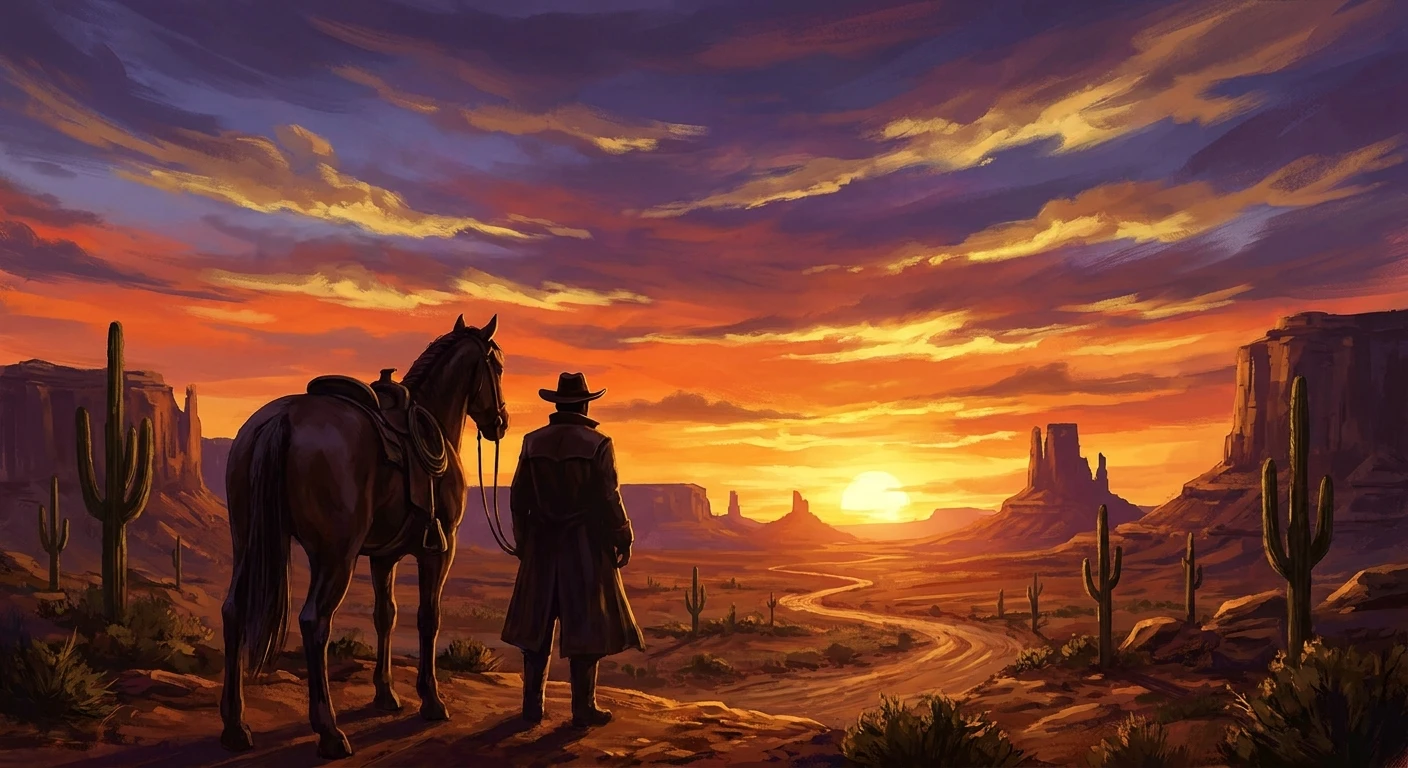
Grabbing your copy of Red Dead Redemption Nintendo Switch brings the entire Western frontier right into the palms of your hands. If someone told gamers back in 2010 that John Marston’s sprawling, cinematic cowboy epic would eventually run natively on a battery-powered handheld device, they probably would have laughed. Yet, here we are in 2026, and the port continues to stand as a monumental achievement in console optimization. The sheer freedom to explore New Austin, hunt grizzly bears in Tall Trees, and cross the border into Nuevo Paraiso while sitting on a train or relaxing on your couch completely shifts how you interact with this legendary title.
Playing a massive sandbox game on portable hardware requires understanding exactly how the console handles the heavy lifting. You are not just getting a watered-down version of a classic; you are getting the complete package, including the wildly popular Undead Nightmare expansion, packed into a tiny cartridge. This specific hardware release proves that meticulously crafted code can squeeze incredible performance out of mobile processors. Whether you are aiming your six-shooter using the Joy-Cons or playing docked on a massive screen, the game delivers an authentic, uncompromised journey through the dying days of the American West.
Read also: Is The red dead switch Port Worth It? Review; Ultimate Guide to mario galaxy switch.
Performance, Hardware Benefits, and Getting Started
Understanding how the software interacts with the hardware is key to maximizing your enjoyment. The development team prioritized stable framerates and crisp visuals over unnecessary graphical overhauls, resulting in a remarkably smooth experience. You get a locked 30 frames per second, which feels surprisingly fluid on the smaller screen. The value proposition here is simple: uncompromised portability combined with instant sleep-mode functionality. For example, if you are in the middle of a lengthy bounty hunting mission and your bus reaches its stop, you can simply tap the power button, put the console in your bag, and resume the exact millisecond you left off later that evening. Another great example is grinding out hunting challenges while watching television in the background—a luxury you never had with the original console release.
Performance Metrics Comparison
| Hardware Feature | Docked Mode | Handheld Mode |
|---|---|---|
| Target Resolution | 1080p Native | 720p Native |
| Framerate Stability | Solid 30 FPS | Solid 30 FPS |
| Battery Consumption | N/A (Plugged In) | Approx. 3.5 Hours (OLED) |
| Visual Crispness | Standard HD | High Pixel Density |
To get the best possible start on your frontier adventure, you should configure your system and in-game settings immediately. Follow these exact steps to optimize your gameplay:
- Calibrate your joystick deadzones in the system settings to prevent drift from ruining your dead-eye targeting.
- Turn on auto-aim within the game’s menu, as the small Joy-Con analog sticks can make manual tracking difficult on horseback.
- Adjust the screen brightness to roughly 80% to balance perfect contrast during nighttime missions with adequate battery life.
- Invest in a comfortable grip accessory or a Pro Controller if you plan on playing extended sessions docked.
The Origins of the Port
For years, fans begged the studio for a modern way to play the classic cowboy epic. The original source code was notoriously complex, leading many industry insiders to speculate that porting it to newer, less powerful architectures would be an impossible nightmare. The title remained trapped on older hardware generation systems, available only through backward compatibility or streaming services. The announcement of a native port shocked the gaming community, especially when it was revealed that a dedicated third-party studio specializing in hardware optimization was handling the conversion.
Evolution Across Platforms
Tracking the journey from its initial debut to its current handheld iteration highlights a massive shift in gaming technology. The original 2010 release pushed seventh-generation consoles to their absolute thermal and processing limits. Consoles would routinely overheat trying to render the expansive desert horizons. Moving this engine to a mobile chipset meant completely rethinking how assets load into memory. Developers had to rewrite specific rendering pipelines so the mobile architecture could process the game’s dynamic weather, complex AI routines, and lighting effects without melting the plastic chassis.
The Modern State of Handheld Westerns
Now, playing this classic on the go feels completely natural. The gaming market has fully embraced AAA portable experiences. The success of this specific release paved the way for other massive open-world titles to take handheld hardware seriously. It serves as a benchmark. Whenever a new open-world game is announced for portable systems, players immediately compare its performance and visual fidelity to John Marston’s portable outing.
How the Hardware Handles the RAGE Engine
The proprietary Rockstar Advanced Game Engine (RAGE) was built for heavy physics calculations and massive draw distances. Getting this engine to run on a mobile processor requires aggressive memory management. The console uses a unified memory architecture, meaning the CPU and GPU share the same pool of RAM. The developers utilized advanced culling techniques—basically, the game instantly stops rendering anything outside of your immediate camera view. This drastically reduces the workload on the graphics processor, ensuring the frame pacing remains consistent even during massive shootouts with dozens of bandits.
Memory Management and Battery Efficiency
Another major technical hurdle was data compression. The original game spanned dual-layer DVDs, but modern handheld cartridges demand extreme compression to keep manufacturing costs down while maintaining fast read speeds. They utilized modern algorithmic texture compression that decompresses assets on the fly without burdening the CPU.
- Dynamic Resolution Scaling is completely disabled; the game runs at native resolution, providing a sharper image than many modern ports.
- The audio engine was retooled to use fewer CPU cycles for spatial sound calculation, saving precious battery life.
- Texture filtering is set to anisotropic 4x, which cleans up blurry road textures at oblique angles without tanking performance.
- Thermal throttling is actively avoided by capping the framerate, preventing the internal chip from underclocking during intense heat.
Day 1: Mastering New Austin Basics
Your first day should focus entirely on getting comfortable with the controls. The handheld layout can feel cramped if you are used to a full-sized gamepad. Spend your time around Armadillo doing basic tasks. Play a few rounds of poker, learn how the auto-lock mechanics work during minor bounties, and get a feel for your horse’s stamina gauge. Do not rush the story missions; simply ride around the dusty trails to adjust to the screen size and visual cues.
Day 2: Advanced Horse Breaking
By your second day, you need a better mount. The starter horse will not cut it for long journeys. Head out into the wild and practice the horse-breaking mini-game. This mechanic requires balancing the thumbstick, which demands precision. Finding the Kentucky Saddler early on gives you a massive speed advantage, and practicing this mini-game helps you dial in your thumbstick sensitivity settings perfectly.
Day 3: Sharpshooting on Handheld
Combat relies heavily on the Dead Eye targeting system. Day three is all about mastering this mechanic on portable hardware. Head to Fort Mercer or find gang hideouts like Twin Rocks. Practice activating Dead Eye, painting multiple targets, and executing them. You will notice that relying on the snap-to-target feature by quickly pressing and releasing the aim button is much more efficient than manually dragging the reticle across the screen.
Day 4: Economic Exploits and Hunting
Cash is vital for buying better weapons and medicine. Dedicate day four to the local economy. Hunting is the most lucrative activity. Ride north to Tall Trees or scour the plains for wolves. Skinning animals and selling their pelts in different regions yields high profits. Keep in mind that playing in handheld mode makes spotting small game like rabbits slightly harder, so rely on sound cues and your horse’s reactions to track them.
Day 5: Crossing into Mexico
Once you unlock the second major landmass, the game opens up entirely. Day five involves crossing the border. The landscape changes drastically, featuring red rock formations and harsh deserts. Take this time to complete the local stranger missions and gather new outfits. The transition into this area features one of the most iconic musical moments in gaming history, so make sure you have headphones plugged in to fully appreciate the audio.
Day 6: Completing Stranger Missions
Before pushing toward the finale, use day six to wrap up the eccentric side quests scattered across the map. These “Stranger” missions offer some of the best writing in the entire game. They provide a break from the main narrative and require you to solve mysteries, collect specific items, or intervene in bizarre local disputes. Since these missions are usually short and episodic, they are absolutely perfect for quick mobile play sessions.
Day 7: The Final Showdown and Undead Nightmare
On your final day of this dedicated plan, push through the remaining story missions and prepare for the emotional conclusion. Once the credits roll, immediately boot up the Undead Nightmare expansion from the main menu. This alternate-reality zombie mode changes the entire combat dynamic, forcing you to aim strictly for headshots. It is practically a whole new game and offers incredible value on the cartridge.
Myths and Reality
Myth: The port suffers from terrible frame drops in busy towns.
Reality: Extensive testing shows the game holds a remarkably steady 30 FPS even during massive explosions or while riding quickly through densely populated areas like Blackwater.
Myth: You have to download half the game because it does not fit on the physical cartridge.
Reality: Both the base game and the massive Undead Nightmare expansion are completely included on the physical cartridge with no mandatory massive downloads required to start playing.
Myth: The graphics were severely downgraded to run on the mobile chipset.
Reality: The visuals are actually cleaner than the original console releases due to the removal of an aggressive blur filter and the implementation of native rendering resolutions.
Myth: The battery dies in less than an hour due to the massive open world.
Reality: The engine is highly optimized. You can comfortably expect around three and a half to four hours of continuous gameplay on a fully charged newer model battery.
Does it require an internet connection?
No, the entire single-player campaign and the zombie expansion are fully playable offline, making it perfect for long flights or road trips.
Is the multiplayer mode included?
The original competitive and cooperative multiplayer modes were entirely stripped from this release. It is a strictly single-player experience.
Can I use Amiibo figures?
There is absolutely no Amiibo support integrated into the software. You cannot scan figures for extra items, outfits, or currency.
Does the game support motion aiming?
Surprisingly, no. Despite gyro aiming being a highly requested feature for portable shooters, the developers opted to keep the traditional twin-stick aiming mechanics.
How large is the digital download size?
If you purchase from the digital storefront instead of buying the physical cartridge, expect the file size to take up roughly 11.5 gigabytes of internal storage or SD card space.
Are the cheat codes still active?
Yes, the classic phrase-based cheat code system is fully intact. You can still type in specific phrases found in newspapers to unlock infinite ammo, money, or invincibility, but doing so disables your ability to save your progress.
Does it support cloud saves?
Yes, as long as you have an active online membership for the console ecosystem, your save files will automatically back up to the cloud, allowing you to transfer progress to a secondary device easily.
Can I transfer my old save files?
No, there is no ecosystem support for transferring saves from legacy consoles. You will have to start John Marston’s journey completely fresh from the beginning.
Summary and Next Steps
Having Red Dead Redemption Nintendo Switch available in your pocket fundamentally changes how you can engage with this Western masterpiece. The technical wizardry required to get the RAGE engine running flawlessly on a mobile chipset is nothing short of brilliant. From the smooth framerates to the incredibly crisp 720p handheld visuals, it provides a premium open-world experience without compromise. Now that you know exactly how to optimize your hardware settings, maximize your battery life, and tackle the frontier efficiently, there is nothing stopping you from saddling up. Grab your console, secure a copy of the game today, and ride out into the sunset—the frontier is waiting for you.





Leave a Reply