

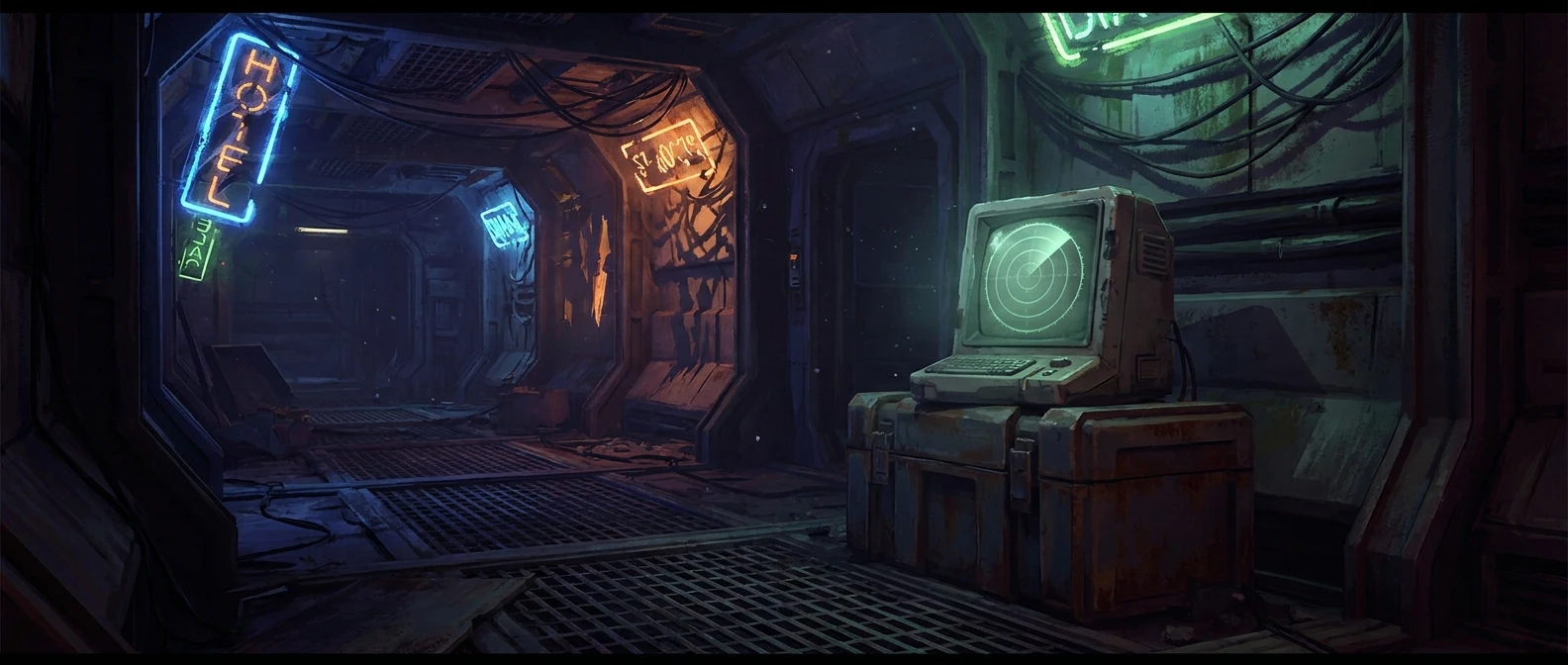
What to Expect from Alien Isolation 2
When Creative Assembly officially confirmed that Alien Isolation 2 is in early development, survival horror fans collectively held their breath. You already know the feeling. The motion tracker starts pinging, a heavy thump echoes from the ventilation shaft above, and your heart rate instantly spikes. That is the magic the original game delivered, and it is exactly what this highly anticipated sequel aims to recreate with modern technology. The tenth-anniversary announcement by director Alistair Hope sent shockwaves through the gaming community, promising a return to the relentless, terrifying atmosphere that made the first installment a masterpiece of tension. We are looking at a project that builds on the foundation of absolute dread, moving away from high-octane action and staying true to the helpless survival aesthetic of the classic sci-fi universe.
You can expect a massive leap in environmental storytelling, physics, and enemy artificial intelligence. The developers understand that simply copy-pasting the original formula will not satisfy modern audiences who have spent the last decade mastering the first game’s mechanics. They are building a world that reacts dynamically to your presence, forcing you to rethink every single movement, resource choice, and hiding spot. If you thought the lockers were safe before, get ready to unlearn everything you know about surviving the perfect organism.
Read also: The Best Way to Play mario galaxy 2 switch; Play penny's big breakaway Now.
The Core Mechanics of Fear and Survival
Surviving a perfect predator requires a delicate balance of stealth, resource management, and sheer luck. The core philosophy driving the sequel centers on vulnerability. You are not a super-soldier armed to the teeth; you are an engineer or civilian desperately trying to scrape together enough scrap metal to build a noise maker. The value proposition of this sequel lies in its unpredictability. For example, if you rely too heavily on hiding under desks, the enemy AI will actively start overturning furniture. If you overuse the flamethrower, the creature will adapt, rushing you before you can pull the trigger or flanking you from alternative routes.
To truly understand the leap forward, we have to look at the foundational pillars that make a survival horror sequel successful. The developers are focusing heavily on these three elements:
- Unpredictable Threat Generation: The enemy will no longer follow basic patrol routes. It will actively listen, learn your habits, and set ambushes in areas you frequently visit.
- Meaningful Resource Scarcity: Crafting materials will be dynamically distributed based on your inventory. If you are hoarding medkits, the game will stop providing the components needed to make them.
- Environmental Interactivity: You will be able to lock doors, manipulate ventilation shafts, and use the station’s failing infrastructure to your advantage, creating makeshift traps or distractions.
| Feature | Alien: Isolation (2014) | Alien Isolation 2 (Anticipated) |
|---|---|---|
| Enemy AI | Dual-brain system (Director and Monster) | Adaptive learning matrix with memory retention |
| Lighting | Baked lighting with dynamic shadows | Fully ray-traced dynamic global illumination |
| Crafting | Static blueprint system | Modular component combining with fail states |
These anticipated mechanics mean you cannot just memorize enemy patterns. The environment itself becomes an active participant in your survival, demanding constant vigilance and adaptability.
History and Origins of the Franchise
The journey to a sequel has been incredibly long and complex. Back in 2014, the original game launched to critical acclaim but faced steep commercial expectations from Sega. It was a radical departure from the action-heavy, pulse-rifle-shooting games that dominated the sci-fi market at the time. Instead of giving players an arsenal, Creative Assembly gave them a wrench, a motion tracker, and a nearly invincible stalker. The game slowly built a massive cult following, revered as one of the greatest horror games ever made. Its legacy grew year after year, fueled by speedrunners, challenge runs, and terrifying virtual reality mods that kept the community engaged.
The Evolution of Survival Horror AI
The original game revolutionized enemy artificial intelligence. It did not just spawn the monster behind you; it used a complex two-brain system. One macro-AI knew where the player was at all times and acted as a director, managing the tension gauge. When the tension dropped too low, it would give the micro-AI (the creature itself) a vague hint about the player’s location. This created organic, unscripted encounters that terrified players. The sequel is poised to take this foundation and expand it exponentially, utilizing modern processing power to allow the creature to understand environmental context, player traps, and even line-of-sight tricks.
The Modern State of the Sequel
Fast forward to October 2024, the ten-year anniversary of the original release. Alistair Hope took to social media to officially announce that the next chapter was in early development. This confirmed what fans had been hoping for over a decade. While the release date remains far in the future, the confirmation alone has revitalized interest in the series. The modern gaming landscape, powered by cutting-edge engines, offers tools that the original developers could only dream of, setting the stage for a truly horrifying next-generation experience.
The Architecture of Fear: AI Systems
The technological leap expected in the sequel cannot be overstated. We are looking at a fundamental redesign of how digital antagonists perceive their environment. Modern game engines allow for spatial audio mapping, meaning the creature will not just hear a sound; it will understand exactly how that sound bounces off metallic walls and echoes down corridors. If you accidentally kick a wrench down a hallway, the AI will calculate the acoustic trajectory to pinpoint your exact location. This level of acoustic engineering means silence is no longer just a mechanic; it is a vital physical law of the game world.
Acoustic Engineering in Space
Sound design is the backbone of space horror. The utilization of Head-Related Transfer Functions (HRTF) and binaural audio will make every creak, groan, and scurry feel uncomfortably close. You will need to rely on audio cues just as much as your motion tracker.
- Ray-traced acoustic propagation for hyper-realistic sound bouncing.
- Dynamic stress-level monitoring affecting player character breathing.
- Procedural animation blending for smoother, unpredictable enemy movements.
- Granular material physics, where stepping on glass sounds distinctly different from stepping on grating.
The technology driving these systems will ensure that you never feel truly safe, no matter how securely you think you are hidden.
7-Day Survival Conditioning Plan
If you want to survive the upcoming nightmare, you need to start conditioning your reflexes now. Replaying the original game is the best way to prepare. Here is a strict seven-day training regimen to get your nerves ready.
Day 1: Master the Motion Tracker
Spend your first session relying entirely on the motion tracker. Do not trust your eyes; trust the green dots. Learn the exact distance at which the ping indicates imminent danger, and practice putting the tracker away quickly to avoid the screen glare giving away your position.
Day 2: Resource Management Drills
Play through a challenging chapter without using any crafted items. Force yourself to navigate purely through stealth and timing. This will break your reliance on noisemakers and EMP mines, teaching you the raw routes and hiding spots of the environment.
Day 3: Audio Reliance Training
Turn off the game music and turn up the sound effects. Close your eyes and listen to the footsteps. You need to be able to identify whether the creature is in the vents, on the floor above you, or walking in the same room just by the acoustic weight of its steps.
Day 4: Stealth Without Lockers
Lockers are a crutch. Dedicate this day to surviving without ever hiding inside a locker or cabinet. Use desks, shadows, and line-of-sight obstruction. This forces you to stay mobile and prevents the AI from learning your favorite hiding spots.
Day 5: The Flamethrower Discipline
The flamethrower is a tool of last resort, not a weapon. Practice using only short, controlled bursts to repel the threat. Wasting fuel will leave you defenseless later. Learn the exact minimum amount of fuel required to trigger a retreat.
Day 6: Speedrun Tactics
Watch professional speedrunners and try to emulate their movement. Learn how to walk at the exact speed that minimizes footstep noise while maximizing ground covered. Efficiency is survival. Hesitation will get you caught.
Day 7: Psychological Conditioning
Play the game in complete darkness with high-quality headphones. Accept the fear. The sequel will be designed to break your composure, so you need to practice staying calm under intense digital pressure. Do not panic when spotted; execute your escape plan.
Myths and Reality
Myth: The sequel will be an action-heavy shooter similar to other franchise titles.
Reality: Creative Assembly has explicitly stated their commitment to the survival horror roots that made the first game successful. Expect stealth and evasion to remain paramount.
Myth: Amanda Ripley’s storyline is completely finished and the game will feature a new protagonist.
Reality: While the original game had a definitive ending, spin-off media left narrative gaps. The protagonist remains unconfirmed, but a continuation of the Ripley legacy is highly plausible.
Myth: The enemy encounters will be heavily scripted for cinematic effect.
Reality: The autonomous, dynamic AI is the defining feature of the series. The developers are expanding the unscripted nature of the AI, making it even more unpredictable than before.
Myth: The game is releasing in the very near future.
Reality: The project was announced as being in early development in late 2024, meaning a full release is still several years away.
Frequently Asked Questions
Is the game officially confirmed?
Yes, Creative Assembly officially announced the sequel was in early development during the tenth anniversary of the original game in October 2024.
Which engine will the game use?
While unconfirmed by the studio, industry trends suggest a shift to Unreal Engine 5, leaving behind the proprietary Cathode engine used previously.
Will it support Virtual Reality?
There is no official confirmation yet, but given the massive success of the MotherVR mod for the first game, VR support is one of the most highly requested features by the community.
Can you kill the primary threat?
Historically, the core design philosophy prohibits killing the main antagonist. You can only distract, repel, or temporarily stun it.
Will working-class androids return?
The creepy, malfunctioning synthetics were a staple of the first game’s world-building. It is highly likely similar rogue AI threats will populate the sequel’s environment.
Is there a cooperative multiplayer mode?
Survival horror relies heavily on feelings of complete isolation. A co-op mode contradicts this design philosophy, making it highly unlikely.
What platforms will it release on?
Given the timeline, it will almost certainly be targeted at current-generation consoles and high-end personal computers.
The anticipation for this project is monumental. The original title proved that patience, atmosphere, and terrifying artificial intelligence could create an unforgettable gaming experience. As we wait for more concrete details to emerge from the studio, the best thing you can do is keep your motion tracker handy and practice your stealth. Share this guide with your fellow survivors and start preparing your nerves for the ultimate test of survival horror.





Leave a Reply