

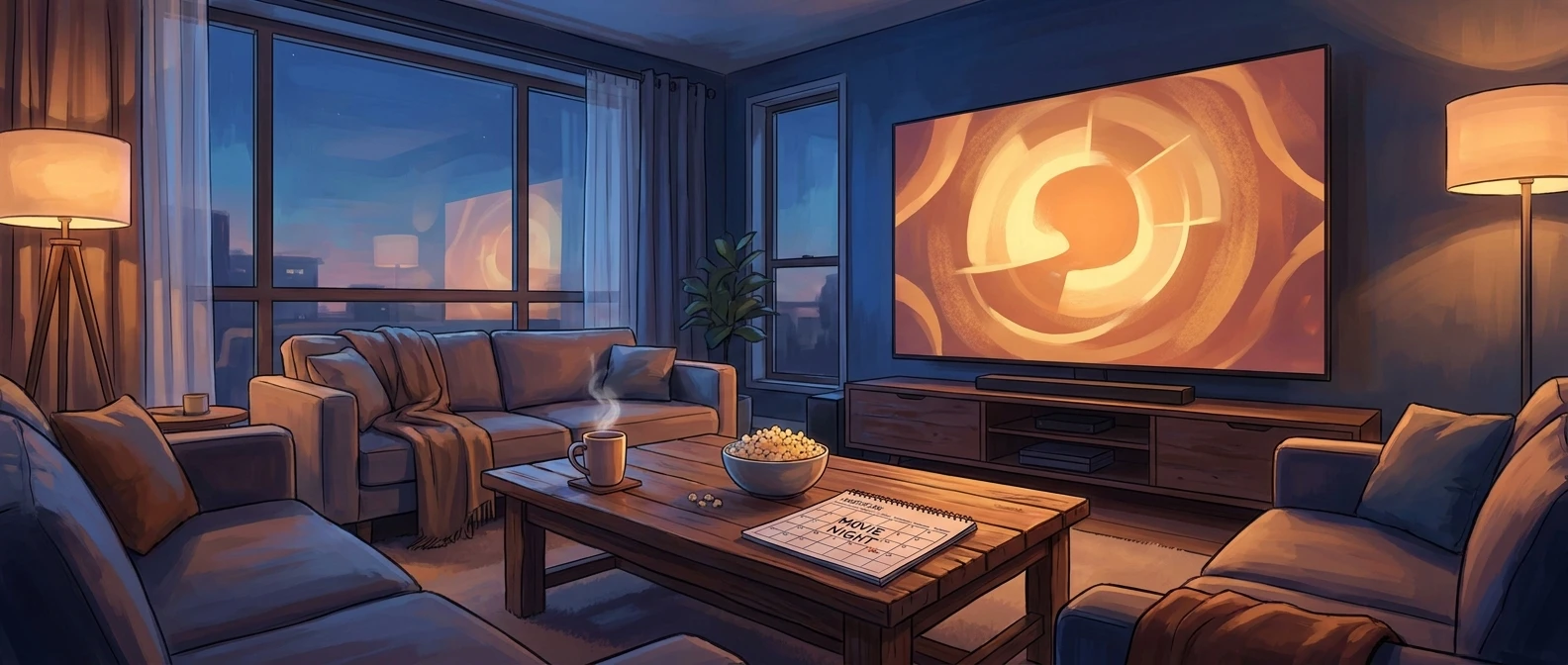
Mastering Your One Binge Per Month
Figuring out your ideal binge per month is honestly the absolute best thing you can do for your sanity and your free time. Look, I get it. We all love sitting down and crushing a full season of television. But doing it every single weekend? That just leaves you feeling drained, unproductive, and weirdly empty. A few years ago, living in Kyiv during the heavy power grid fluctuations, I had to get extremely tactical about my entertainment. We barely had internet, so I would carefully curate and download exactly one high-quality show to watch. When the lights went out, I had my specific, planned-out content ready. That forced limitation taught me a massive lesson about how we consume media.
Now that we are well into 2026 and things have stabilized, I still stick to that exact same philosophy. Treating a TV show like a special event rather than just background noise completely changes the experience. You stop mindlessly scrolling through streaming menus for hours. Instead, you build anticipation. You actually talk about what you watched with your friends. You remember the plotlines. Restricting yourself actually gives you more freedom. If you are constantly exhausted by the endless flood of new releases, setting a strict limit might just be the lifestyle change you desperately need right now.
Read also: EB Games Airport West: Top Gear Guide; Ultimate Prep Guide for the gta6 release.
Why Planning Your Viewing Schedule Works Wonders
Let me break down exactly why rationing your media consumption changes the game entirely. When you just leave the TV running, your brain goes into autopilot. You aren’t actively enjoying the story; you are just passing time. But when you schedule a specific viewing window, you elevate the entire experience. Think about the value proposition here. You save dozens of hours, you sleep better, and the content you do watch actually resonates with you emotionally.
Here are two quick examples of how this plays out in real life. First, consider the busy freelancer. By limiting their heavy watching, they free up their weekends for actual hobbies or socializing, knowing exactly which weekend is reserved for the couch. Second, think about a couple trying to find shared time. Instead of arguing every night over what to put on, they agree on a specific title and make a whole weekend event out of it, complete with good food and no phones.
| Viewing Style | The Process | The Outcome |
|---|---|---|
| Daily Casual Viewing | Watching 1-2 random episodes every single night after work. | Poor sleep, forgetting plot details, constant menu scrolling. |
| Unplanned Weekend Chaos | Accidentally staying up until 4 AM because you clicked “next episode.” | Massive brain fog, ruined Sunday, regret. |
| One Planned Session | Selecting a specific weekend to consume one complete story. | High enjoyment, controlled schedule, memorable experience. |
If you want to pull this off, you need a system for picking the right show. Here is exactly how you should choose your target:
- Check the runtime: Make sure the total season length fits comfortably within your chosen timeframe, ideally between six to ten hours.
- Verify the conclusion: Only pick shows that actually have a completed season or a satisfying stopping point so you aren’t left hanging for a year.
- Consult trusted circles: Stop trusting random algorithms and start asking your actual friends what they loved to ensure high quality.
The Origins of Binge-Watching
We did not always consume media like a competitive sport. Back in the day, if you wanted to watch a whole show at once, you had to buy massive, expensive DVD box sets. People would rent them from blockbusters, maybe knock out a few discs over a long holiday. It was a physical, tangible process. You had to physically change the discs, which acted as a natural stopping point. It was a deliberate choice, not an accidental slip into an endless digital vortex.
The Evolution of Streaming Habits
Then the tech giants changed the rules completely. When platforms started dropping entire seasons on the exact same day, it broke our collective self-control. The interfaces were specifically designed to remove friction. The “next episode in 5 seconds” countdown was a psychological trap that worked perfectly. For years, we all just accepted this as the new normal. We bragged about crushing fourteen hours of television in a single sitting, ignoring how terrible our eyes felt afterward.
The Modern State of Selective Viewing
Honestly, the fatigue is real now. People are totally burned out on the volume of content available. We have reached a saturation point where having fifty new shows a week just feels like homework. The trend is shifting back heavily toward curation. People want quality over quantity. The idea of dedicating an entire month’s focus to just one stellar piece of art is gaining massive traction because it actively fights back against the overwhelming noise of the modern digital landscape.
The Dopamine Loop Explained
You have to understand the basic neurochemistry of why endless streaming feels both so good and so bad. When a cliffhanger happens, your brain gets a spike of dopamine, driving you to resolve the tension by starting the next episode. It is a classic variable reward schedule, very similar to playing a slot machine. The problem is that dopamine isn’t just about pleasure; it’s about motivation and craving. When you hijack that system for eight hours straight, you deplete your brain’s natural reserves. That is exactly why you feel so incredibly hollow and irritable when the screen finally goes black.
Cognitive Load and Media Fatigue
Beyond the dopamine crash, there is the sheer mental exhaustion. Your brain is processing complex narratives, rapidly shifting visuals, and intense emotional musical cues. This requires actual cognitive energy. Let’s lay out some blunt scientific facts about what happens when you don’t limit your screen sessions:
- Attention Residue: Your brain struggles to process real-world tasks because it is still trying to resolve the fictional conflicts you just watched.
- Melatonin Suppression: The blue light from your television directly halts your body’s ability to prepare for sleep, destroying your circadian rhythm.
- Emotional Blunting: Experiencing too many manufactured emotional peaks in a short timeframe makes you less responsive to normal, everyday joys.
- Sedentary Stress: Sitting immobilized for hours triggers physical stress responses in your body, tightening muscles and restricting proper blood flow.
Your Ultimate 7-Day Action Plan
If you want to do this right, you need a strategy. You cannot just wing it. Treat your viewing week like a highly anticipated vacation. Here is exactly how to execute a flawless seven-day run.
Day 1: The Selection Process
Start your week by making the hard choice. Pick the exact show. Lock it in. Do not look back. Tell your partner or your friends what the plan is. This commitment phase is crucial because it eliminates the decision fatigue that usually ruins a Friday night.
Day 2: Pre-Binge Setup
Get your environment right. Buy the good snacks. Figure out your lighting. More importantly, finish all your annoying chores. Do the laundry, clean the kitchen, answer your emails. You want zero real-world responsibilities hanging over your head when you finally sit down.
Day 3: The First Episodes
Kick off the event. Watch the first two or three episodes. Let the world-building wash over you. Do not rush. Put your phone in another room. If you are texting while watching, you are totally wasting the experience. Pay close attention to the characters.
Day 4: Mid-Season Break
Take a day off. Seriously. Let the story breathe. Discuss theories with whoever you are watching it with. Anticipation is half the fun. When you take a break, your brain actually processes the narrative, making the emotional beats hit way harder later.
Day 5: The Heavy Watching Phase
This is where you commit. Clear your evening schedule completely and knock out a huge chunk of the middle episodes. This is the momentum phase where the plot thickens and you really get invested in the stakes. Enjoy the ride.
Day 6: The Climax
Watch the finale. Give it the absolute respect it deserves. Make it an event. Order your favorite takeout. Dim the lights completely. When the credits roll, sit there for a minute and actually digest what you just experienced instead of immediately closing the app.
Day 7: The Cooldown
Do not start anything new. Spend the day reading reviews, listening to a podcast about the show, or just going outside. Appreciate the complete story. Now, you have three whole weeks left in the month to do literally anything else with your life.
Breaking Down Common Misconceptions
People always give me weird looks when I explain this system. Let’s clear up some nonsense right now.
Myth: You will completely lose track of the plot if you space things out too much.
Reality: Actually, forcing yourself to focus deeply on one specific story makes you remember the details significantly better than if you casually watched five different shows simultaneously.
Myth: Planning your entertainment makes it feel like boring office work.
Reality: Intentionality creates excitement. Having something specific to look forward to on a Friday night is incredibly fun, not a chore.
Myth: You will fall behind on all the pop culture conversations.
Reality: Trying to keep up with every single trending show is a losing game anyway. Pick the ones you actually care about, and own your choices.
Myth: You need to finish the whole thing in a single weekend.
Reality: A “binge” is just a dedicated, focused consumption of a single story. Spreading it over a specific seven-day window is perfectly valid and usually much healthier.
Frequently Asked Questions
Does this work for twenty-episode sitcoms?
It absolutely can, but you might need to stretch your window. Sitcoms are generally lighter, so treating them as background noise is less damaging, but a focused watch is still rewarding.
What if the show turns out to be terrible?
Drop it immediately. Do not fall for the sunk cost fallacy. If you hate it by episode three, cancel the event and reclaim your weekend. Never force yourself to watch bad television.
How do I avoid spoilers for a whole month?
Mute specific keywords on your social media accounts. Stay away from Reddit threads about the genre. It is easier than you think if you just curate your feeds properly.
Can I do this with a movie franchise instead?
Yes, absolutely. Watching three massive sci-fi movies over a weekend hits the exact same psychological beats as a television show. The rules apply universally to any long-form media.
What if my partner wants to watch something else?
Compromise. You pick the target this month, they pick the target next month. It actually creates a really fun dynamic where you get to experience each other’s specific tastes.
Is it okay to re-watch something I have already seen?
Definitely. Re-watching a favorite comfort show with intense focus is deeply relaxing. You pick up on background details and foreshadowing you totally missed the first time around.
How do I keep track of what I want to watch next?
Keep a simple note on your phone. When someone recommends something great, write it down. Once a month, look at the list and pick the single most appealing option.
Listen, taking back control of your screen time doesn’t mean you have to stop enjoying incredible stories. It just means you are finally in the driver’s seat. Give this exact framework a try. Pick your title, lock in your dates, and experience how amazing intentional viewing feels. If this guide helped you rethink your weekends, hit share and send this to that one friend who never gets any sleep because they are always glued to their TV!





Leave a Reply