

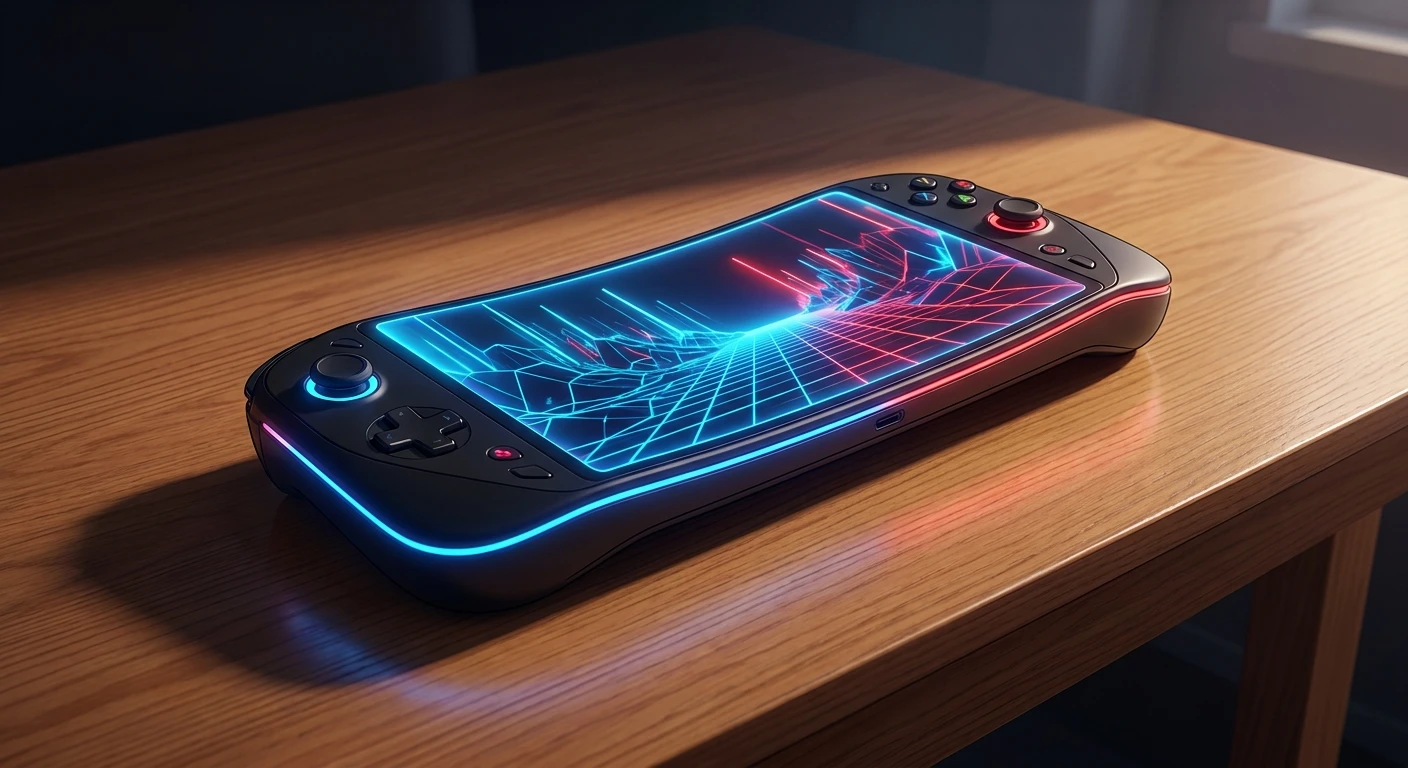
Why the switch oled release date Changed Portable Gaming Forever
Ever since the official switch oled release date rolled around back in October 2021, gamers instantly understood that playing on the go would never look the same again. You know how it is when a piece of highly anticipated tech finally drops into your hands, and the reality actually matches the hype. That initial period leading up to the launch was filled with endless speculation, wild rumors, and a desperate desire for better hardware. Now that we are solidly in 2026, looking back at that specific hardware revision proves exactly why investing in premium display technology pays off massively in the long run.
I vividly recall a brisk evening in Kyiv shortly after I got my hands on the console. We were dealing with rolling power outages at the time, sitting in a dim apartment with just a few battery-powered lamps for comfort. I booted up my new handheld, and the vibrant, edge-to-edge screen cut through the darkness like a neon sign. The sheer contrast of those perfect, inky blacks against the bleak reality of a blackout provided an unmatched level of escapism. The colors popped so intensely that my friends, who were previously skeptical about upgrading from their base models, immediately understood the appeal. It wasn’t just a minor tweak; it fundamentally altered the visual feedback of every single game in the library.
The beauty of this particular hardware leap is that it did not fragment the player base. Instead of locking players out of new titles, it offered a premium tier of visual fidelity for those who wanted it. If you spend any significant amount of time playing away from a television, understanding the nuances of this hardware revision is absolutely essential for getting the most out of your digital library.
The Hardware Leap: Screen Tech and Built-in Value
To really appreciate the jump between generations, you have to look closely at the physical hardware differences. The transition from a standard liquid crystal display to an organic light-emitting diode panel is not just a buzzword marketing tactic; it is a profound upgrade in visual output. The original 2017 hardware utilized a 6.2-inch plastic-covered LCD with noticeable air gaps and chunky bezels that looked outdated almost the moment it launched. The newer revision stretched that canvas to a beautiful 7.0 inches without significantly increasing the overall footprint of the device, utilizing premium glass and practically eliminating the bezel.
Let’s break down exactly what changed under the hood and on the chassis:
| Hardware Feature | Original Base Model | Premium OLED Model |
|---|---|---|
| Screen Size & Panel | 6.2-inch standard LCD | 7.0-inch vibrant OLED |
| Internal Storage Capacity | 32 GB eMMC | 64 GB eMMC |
| Tabletop Kickstand | Flimsy plastic strip | Wide adjustable metal hinge |
| Dock Connectivity | USB ports only (needs adapter) | Built-in wired LAN port |
The value proposition here becomes incredibly obvious when you look at practical, real-world usage. First, imagine playing a game with heavily stylized art directions, like The Legend of Zelda: Tears of the Kingdom or a dark, moody platformer like Hollow Knight. On the older screen, dark caves looked washed out and gray due to the universal backlight bleeding through the pixels. On the newer display, those same caves are terrifyingly pitch black, making the glowing environmental elements stand out with breathtaking intensity. Second, consider multiplayer sessions on the go. The original kickstand was notorious for snapping off or falling over on uneven train tables. The new robust metal stand spans the entire width of the console, offering infinite viewing angles and total stability for intense sessions of Mario Kart or Super Smash Bros.
If you are still on the fence about whether the upgrade is justified, here are the top reasons to make the switch:
- Perfect black levels and infinite contrast: Because each individual pixel generates its own light, black pixels simply turn off entirely, saving battery and creating unmatched depth.
- Double the onboard storage: Jumping from 32GB to 64GB out of the box means you can comfortably download a handful of massive first-party titles without immediately needing a MicroSD card.
- Enhanced audio clarity: The onboard speakers were completely redesigned with closed enclosures, delivering punchier bass and clearer highs when playing without headphones.
- Flawless online connectivity: The redesigned dock includes a native Ethernet port, eliminating the need for clunky USB adapters to achieve stable online matchmaking.
A Look Back: How We Got Here
The Origins of Portable Hybrids
The journey to this phenomenal piece of hardware did not happen overnight. Nintendo has a long, storied history of iterating on their portable consoles. From the bulky original Game Boy to the sleek Game Boy Advance SP, and the massive leaps between the DS and the 3DS lines, hardware revisions are a core part of the company’s DNA. When the original hybrid console launched in March 2017, it revolutionized the industry by blurring the lines between home consoles and dedicated handhelds. However, as the years ticked by, the 6.2-inch 720p screen began to show its age, especially as smartphone displays rapidly adopted higher refresh rates and organic panels.
The Evolution of Nintendo’s Screens
Leading up to 2021, the internet was ablaze with rumors of a mythical “Pro” console. Insiders claimed it would feature 4K upscaling via Nvidia’s DLSS technology, a drastically overclocked CPU, and exclusive games. When the announcement finally dropped detailing purely aesthetic and display-focused upgrades, there was a momentary wave of confusion. But that skepticism vanished the moment tech reviewers and gamers actually saw the screen in person. The evolution focused entirely on the sensory experience of portable play. By maximizing the physical screen real estate and overhauling the audio, the engineers created a definitively luxurious way to interact with the existing software library without splitting the development pipeline.
The Modern State of Handheld Gaming
Looking at the landscape from our current vantage point in 2026, it is clear that this display upgrade was a brilliant strategic move. It set a massive benchmark for portable visual fidelity that forced competitors in the burgeoning handheld PC market to rapidly rethink their own screen technologies. The fact that a low-power mobile chip from 2015 can still produce some of the most visually striking portable experiences on the market is a testament to how crucial a high-quality display is to perceived graphical fidelity.
Under the Hood: Understanding the Display Tech
Organic Light-Emitting Diodes Explained
If you have never really dug into the science behind display technologies, the difference between standard panels and organic variants is fascinating. A traditional LCD relies on a massive backlight panel that constantly shines white light through a layer of liquid crystals and color filters to create an image. Even when a scene is supposed to be pitch black, that backlight is still firing, resulting in a murky, grayish-black output. Organic panels eliminate the backlight entirely. Every single pixel acts as its own independent light source. When the system tells a pixel to display black, that specific pixel simply powers down completely. This creates a contrast ratio that approaches infinity, giving the image a sense of three-dimensional pop that traditional screens simply cannot replicate.
Battery Efficiency and Thermal Performance
Beyond just looking incredible, this technology has profound implications for power draw and thermal management inside a tightly packed handheld chassis. Because dark colors require far less power, and black pixels require literally zero power, playing games with dark user interfaces or exploring shadowy environments naturally extends your battery life. The internal processor remains the highly efficient 16-nanometer Tegra X1+ chip, meaning the console stays incredibly cool under load.
- Each of the 921,600 pixels on the 720p screen operates entirely independently, ensuring pin-point lighting accuracy without blooming.
- The contrast ratio achieves a practically infinite metric due to the absolute zero light output on black pixels, resulting in staggering color vibrancy.
- The thermal footprint is absolutely identical to the V2 base unit, meaning the internal fan rarely spins up audibly during handheld sessions.
- The redesigned television dock outputs native 4K at 60fps via HDMI 2.0 to the television, although the internal hardware continues to render games at a maximum of 1080p when docked.
7-Day Plan to Maximize Your OLED Experience
Day 1: System Transfer and Account Setup
Your very first day should be entirely focused on safely migrating your digital life. Ensure both your old and new consoles are plugged into wall chargers and connected to a stable, local Wi-Fi network. Navigate to the user settings and initiate the system transfer protocol. This will securely move your profile, save data, and screenshot library over. Take your time with this step to ensure nothing gets lost in the digital ether.
Day 2: Screen Protection and Calibration
The new display actually comes with a factory-installed anti-shatter adhesive film. Do not peel this off! It is designed to keep the glass from splintering if you drop it. However, it does not prevent scratches. On day two, carefully apply a high-quality, 9H hardness tempered glass screen protector right over the top. This gives you maximum durability without sacrificing an ounce of visual clarity or touchscreen responsiveness.
Day 3: Audio Testing with First-Party Titles
Now it is time to test the upgraded internal speakers. Detach the controllers, prop up the metal kickstand, and boot up a game with exceptional sound design. Something with heavy orchestral sweeps and deep bass notes will perfectly demonstrate the wider soundstage. Head into the system settings, navigate to the console sound options, and ensure it is set to uncompressed stereo for the absolute best acoustic output.
Day 4: The Wired Connection Advantage
Take the new dock and integrate it into your entertainment center. Run a Cat6 Ethernet cable directly from your internet router into the dock’s built-in LAN port. Go into your internet settings and set up the wired connection. You will immediately notice drastically reduced download times for massive digital games, and your online multiplayer matches will suffer from significantly less latency and packet loss.
Day 5: Testing Tabletop Mode Dynamics
Grab a friend or family member to thoroughly test tabletop mode. Flip out the wide metal kickstand and adjust the tension hinge to the perfect viewing angle, whether you are sitting at a high kitchen counter or a low coffee table. Hand them a single controller horizontally and jump into some split-screen racing. The larger 7-inch display makes local multiplayer significantly easier on the eyes compared to the cramped older screens.
Day 6: Advanced Storage Management
While the 64GB of internal storage is a fantastic bump, you will eventually need more room. Purchase a highly rated MicroSD card with A2 and U3 speed classifications—aim for at least 512GB. Insert it underneath the kickstand, format it via the system settings, and begin moving your largest digital titles off the internal memory and onto the card, keeping your local storage strictly dedicated to critical save files and system updates.
Day 7: Experiencing True Black Levels
Wait until the sun goes down, turn off every single light in your room, and launch a game with a heavily atmospheric, dark aesthetic. As the screen transitions between scenes, pay close attention to the loading screens. Instead of glowing gray, the screen will look like it has completely turned off. This sensory immersion is the ultimate reward for upgrading, solidifying exactly why this hardware revision is an absolute masterpiece of handheld engineering.
Separating Fact from Fiction
When a massive hardware revision hits the market, misinformation inevitably spreads like wildfire across forums and social media. Let’s clear the air on some of the most pervasive myths surrounding this device.
Myth: The new dock features an upscaling chip that drastically increases the frame rate and resolution of older games when playing on your television.
Reality: The internal processor inside the console is totally identical to the base version. Performance, frame rates, and visual fidelity on the TV remain exactly the same. The dock upgrades are strictly limited to the physical Ethernet port and slightly updated HDMI standards.
Myth: The organic screen will inevitably suffer from permanent image retention and screen burn-in within the first year of regular usage.
Reality: Extensive, brutal stress tests conducted by independent tech channels have proven that it takes thousands upon thousands of hours displaying a maximum brightness static image to cause even the most minor, barely noticeable ghosting. Normal gameplay will never cause an issue.
Myth: The screen is physically larger, meaning your old controllers will not fit onto the side rails.
Reality: The chassis dimensions are nearly identical, just shaving down the bezels. Every single pair of controllers you already own will slide onto the rails flawlessly and remain 100% backward compatible.
Frequently Asked Questions
When was the exact switch oled release date?
The console officially hit retail shelves globally on October 8, 2021. This date marked a massive shift in consumer expectations for handheld display quality.
Does this model run games faster or smoother?
No. The clock speeds, RAM, and internal CPU/GPU architecture remain completely unchanged. Games run identically in terms of actual performance metrics.
Can I use my old dock with the new console?
Yes, the hardware is fully cross-compatible. You can slide the new console into the old black plastic dock, or put an older console into the newly designed dock with the LAN port.
Is the screen resolution higher than 720p?
While the display is much larger and more vibrant, the native resolution in handheld mode is still capped at 1280×720 to preserve battery life and maintain consistent performance.
Does the system support Bluetooth audio out of the box?
Yes, native Bluetooth audio support is built right into the system firmware, allowing you to connect your favorite wireless earbuds seamlessly without third-party dongles.
Is the battery physically larger to support the new screen?
No, the battery remains the exact same 4310mAh lithium-ion cell found in the V2 model. However, the extreme efficiency of the organic display keeps battery life remarkably strong.
Are the screen dimensions safe for carrying cases?
The total width of the console is only a fraction of a millimeter wider than the original, meaning 99% of existing carrying cases and sleeves will still fit perfectly.
Should I buy it now if I already own the older model?
Absolutely. If you play predominantly in handheld or tabletop mode, the massive upgrade in visual clarity, color accuracy, and screen size justifies the investment entirely.
Ultimately, the impact of the switch oled release date continues to resonate through the gaming community. It proved that raw horsepower is not the only way to upgrade an experience; sometimes, giving players a phenomenally gorgeous window into their favorite virtual worlds is the ultimate game-changer. Don’t hesitate to grab your favorite titles, slide those controllers into place, and experience the brilliant colors for yourself!




Leave a Reply